Fiction from Isaac Fox
The Near Future of Death
The soft-spoken young woman at the corner table is Death. In her very long life, she’ll talk about herself exactly once, to exactly one person. That person is the bland young man working his way over to her corner, double-fisting cheap beers and making a visible effort to look confident.
—§—
She’ll tell him her name. She’ll tell him she wasn’t born the day Cain brought a rock down on Abel, but she was there. She’ll tell him how she watched bacteria eat Abel, just like she watches them—always, always watches them, can’t stop watching them—eat other bacteria, eat newborn mice that starved before they could see, eat former heads of state in mahogany coffins.
And then she’ll tell him about the dark times, about the centuries when she bathed in rivers fertilized by the bloated corpses of entire species, because she couldn’t find any water that didn’t smell like rot; about the days when the smoke of genocide filled her lungs, because it was the air, and what else was she supposed to breathe?
—§—
Before she tells him, he’ll sit down across the table and slide a beer over to her. They’ll have a sweet, forgettable conversation. She’ll tell him lies to keep it sweet and forgettable.
Later, outside the bar, she’ll spot a bedraggled chicory plant worming through a crack in the curb. The flower will be so mashed and mangled it’ll be half-open in the dark. He’ll see her looking and kneel to pick it for her, grinning like he’s tripped and spilled something on himself.
The ride back to his place will be mostly silent. They’ll make their way up to his bedroom, where she’ll try to ignore the faint smell of sweat. They’ll throw their clothes on the floor and enjoy the sight of each other for a long moment and fall hard on his bed. Sex with him will seem exciting for about thirty seconds, and then it, too, will be sweet and forgettable, but mostly just forgettable.
She’ll tell him sometime afterward, when they’re both starting to doze off. She won’t know why she’s doing it. His AC will rattle, and his sheets will be a little scratchy, and she’ll still feel kind of tipsy, and she’ll just start talking.
—§—
She’ll tell him about the end of the first microscopic life, about the first extinction, about the first mass extinction. She’ll tell him that he is only alive because of the countless lives he has ended, and the countless lives that others have ended for him, to feed him and feed his food and warm him and make room for him. She’ll tell him about the coming end of humanity—in fire, ice, disease, whatever, she’s seen them all so many fucking times—and she’ll tell him that she’ll be here then and she’ll be here afterward, too, she can’t stop being here. She’ll tell him how many years she’s spent meandering down city streets and bushy paths, just to keep herself occupied.
“I do have one question,” she’ll tell him when she’s almost done talking, “and I spend so much time trying to keep it out of my mind. You won’t know the answer, but I’ll ask you anyway. When our universe is crushed under its own weight, will I die, too? And you—what do you think?—should I want to?”
—§—
He won’t answer, and she’ll know he’s pretending to be asleep. She’ll roll over and close her eyes, and in the morning, she’ll leave his building, choose a direction, and start walking.
Over the course of his life, he’ll date a few women long enough to start using the word “partner,” and marry one of them for about three years. He won’t have any children. He’ll die at age 74, in a polka-dotted hospital gown, with an oxygen tube down his throat and his ex-wife’s head resting on his chest.
As the bacteria start to eat him, Death will feel something for a moment—it’ll be like what an old man feels as he pages through his sixty-year-old high-school yearbook. But that’ll pass. And then her mind will move on to the streetlights or the blooming trout lilies around her, and as she walks, his ex-wife will die, and his nieces and nephews, and their children and grandchildren and great-grandchildren, and the human race, and the last chicory flower, and the last small lives on earth, and much, much later, maybe she will too.
—§—
Alone at the corner table, she drums on the saltshaker with her fingertips and listens to the rowdy trio a couple tables away.
The bland young man weaves his way around people. She can’t tell where he’s going until he sits down across from her. Something in his face—maybe a little tremor around his dimples—shows her that he’s trying to flatten a mountain of wobbly feelings.
She meets his eyes and smiles.
He slides a beer across the table.
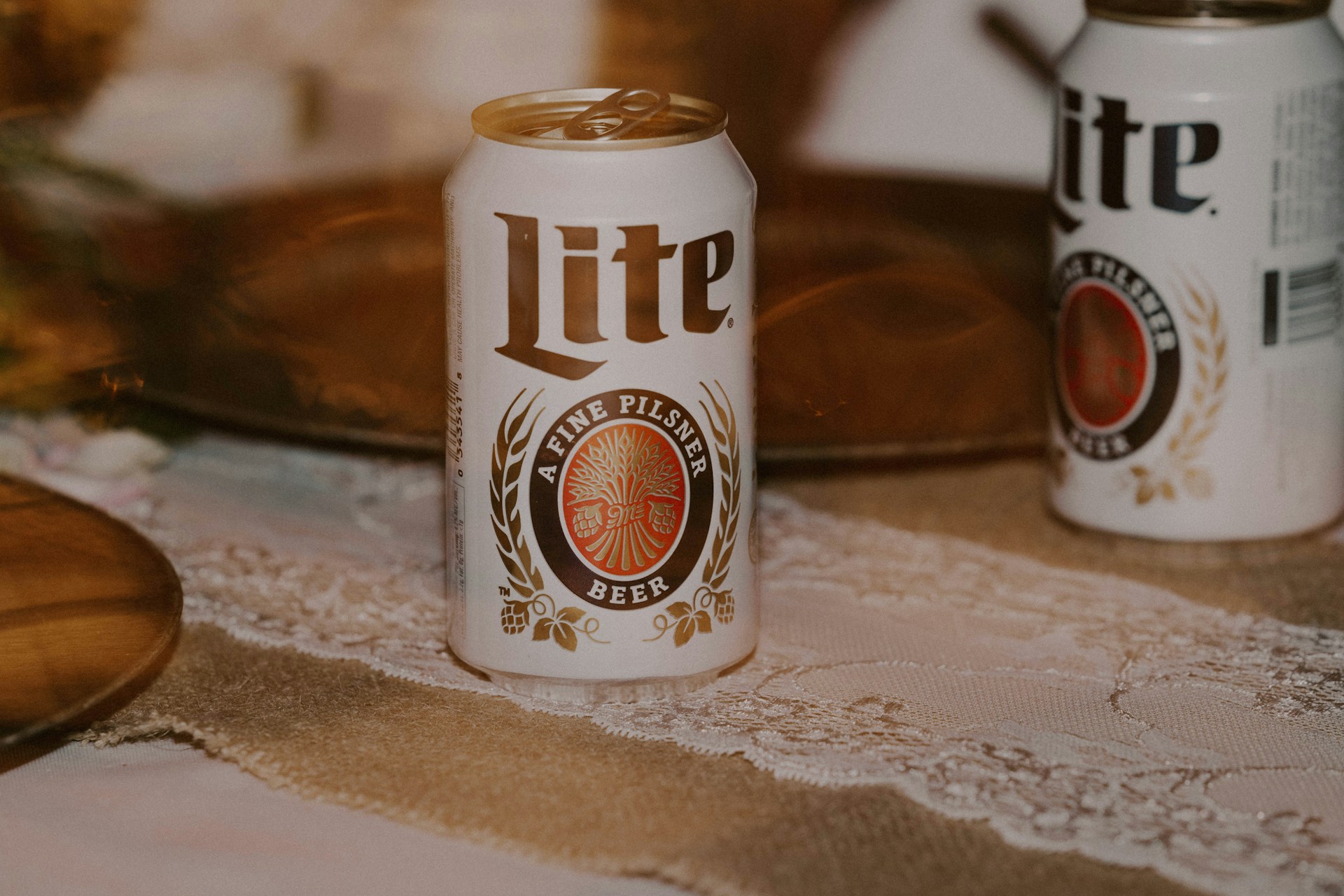
She pops the tab, tips her head back, and drinks long and deep.
.
.
Isaac Fox plays the clarinet and guitar, and spends as much time as possible outside. His work has previously appeared in Bending Genres, Tiny Molecules, and A Velvet Giant, among other publications. Isaac is a co-editor of Shelf Fungus Press, alongside Abbie Hoffer. You can find him on Twitter at @isaac_k_fox
 atlasandalice.com
Leave a comment